Blood Cleanup
Blood cleanup on carpet, hard floors, walls and furniture with safe disposal.
See blood cleanupGet blood and potentially infectious material cleaned from a home, rental, vehicle or workplace in Portland. The work can include containment, porous material removal, disinfection and controlled waste packaging.
Bloodborne pathogen cleanup is a controlled process that removes blood and certain bodily fluids, then disinfects the areas where disease-causing microorganisms might be found.
Exposure is possible if contaminated blood contacts a break in the skin or the eyes, nose or mouth. A needlestick or a different sharp object can also carry it into the body. Viruses considered bloodborne pathogens include HIV, hepatitis C and hepatitis B. Since staining can reach underneath what is visible, assessment must consider the complete affected area rather than only the doorway view.
During professional cleanup and biohazard remediation, clean spaces are kept apart from the work zone. Technicians use personal protective equipment and other protective gear chosen for the particular task. They take out absorbent items that cannot be completely disinfected, remove soil from hard surfaces and keep an EPA-registered disinfectant on those surfaces for its labeled contact time. Waste containing contamination is packaged and disposed of according to the rules in effect at the property's location.
Personal items are assessed by material and level of contact. Whenever circumstances permit, the decision to remove an uncleanable item can be discussed with you first.
Ask about disinfectable surfaces, possible material removal and factors that affect the cost before cleanup starts.
Calls are answered day and night, and crews arrive in unmarked vehicles. Privacy during your call can help keep activity less noticeable near the house, rental or place of work.
Once cleanup ends, you can move forward with workplace management, the building owner or insurance company using photographs, work notes and waste documents that record the affected area.
When a small, controlled place on hard material cannot contain potentially infectious hazardous materials or blood, bloodborne pathogen cleaning services may be appropriate. Although each event has different needs, this cleaning service commonly applies in these situations:
A tenant, property manager or landlord might find dried blood after someone moves out or following an incident. Limit access as the affected space and disposal scope are reviewed so surrounding areas remain protected from tracked contamination.
When an injury occurs in a warehouse, store, office or job site, part of the workplace may become an exposure area. Keep access limited following emergency response until workers remove blood and contaminated materials, then disinfect solid surfaces.
Blood can enter seat fabric, carpet, trim seams and ventilation openings. An individual assessment of each interior component is needed when contamination could remain beyond the surface a cloth can reach.
After someone falls, gets cut or has a medical event, blood may remain on furniture, floors, walls and surrounding items. Any joints and openings reached by liquid need attention as cleanup traces where the spill went.
First, keep people from making contact and do not allow the spill to spread. When law enforcement is part of the response, stay out until officials release the area. The following steps help protect you while leaving a clear view of the cleanup needs:
Call (888) 440-9227No dedicated published range is available for bloodborne pathogen cleanup. As the nearest comparison, related guides give minor cleanup a $500 to $2,500 span and small cleanup a $1,500 to $3,000 span as references. Wider published ranges include $300 to $4,000; the other is $500 to $5,000. None is a property-specific cost. The size of the affected area and its materials determine actual scope.
These national ranges are taken from published cost guides, rather than a property visit. The price for your property is set after the on-site assessment, and you hear it before work starts.
Ask about cost: (888) 440-9227Who pays depends on the location of the event, the property owners who control the area and the conditions stated in a workplace plan, lease or insurance policy. An insurance company makes its coverage decision by applying the individual policy.
Your insurance assistance discussion begins with understandable documentation. Your adjuster can tell you what images, itemized lists, cleanup notes and waste records to submit. When conditions allow a delay, do not throw away covered property before instructions arrive, and keep a copy of every claim message.
Certain policies for renters and homeowners may include cleanup caused by an abrupt event that is covered. Tell the insurance company what occurred, ask whether biohazard cleanup applies and save your claim number and requested records.
For a workplace event, notify the manager responsible for the exposure control plan. Applicable arrangements guide the employer, building manager and insurance company in deciding authorization, documentation requirements and payment.
Who is responsible may vary based on local requirements, lease terms and why the contamination occurred. The renter and owner should discuss cleanup and record the affected area before anyone moves contaminated materials.
Exposure control comes first in the bloodborne pathogen cleanup process. Removal, cleaning, disinfection and verification follow in sequence. How each stage is carried out depends on the spill itself, the materials affected and the hazardous waste requiring removal from the property.
Likely transfer paths, involved spaces, surface materials and any sharps are identified by cleanup technicians. Visible conditions are recorded, with an explanation of items that could be cleaned or removed.
Clean spaces remain apart from the affected work area. The setup includes restricted access, appropriate protective equipment and a defined path used to carry supplies and waste.
Removal may be necessary for drywall, upholstery fill, insulation, unsealed wood or carpet pad after blood absorbs below a treatable surface. Removed pieces are packaged inside the work zone.
Visible soil is removed from hard, non-porous surfaces first. The initial cleaning is important because biological soil can keep a disinfecting product from reaching the material underneath.
Workers treat cleanable materials using a disinfectant registered by the EPA for the intended organisms. Wetness is maintained for all of the contact time stated in the disinfectant directions.
Sharps are contained apart from contaminated disposables and porous materials, with suitable packaging for every category. Transport and treatment of contained waste must comply with the medical waste rules that apply.
The crew examines the cleaned zone, including boundaries and obscured transitions, and creates a record of the completed work. Any remaining building repairs are listed separately from biohazard cleaning.
Removed finishes such as baseboards, wallboard and carpet can be restored when the cleaning work is done. You can plan separate restoration services with the person overseeing the property or a contractor once biohazard cleanup is finished.

Call at any time. A bloodborne pathogen cleanup specialist answers, explains the steps and agrees a start time with you.
Infectious material from blood may create serious health risks through cuts, mucous membrane contact or puncture wounds. The risk can remain even if the stain seems dry.
Skin punctured by a shard or needle creates a direct path for exposure. A hard container that resists punctures is necessary for sharps, not an ordinary flexible garbage bag.
You and your loved ones may find an injury or health incident distressing. While you focus on the urgent needs of those affected, you can avoid close stain inspection and sorting belongings with contamination.
Blood may absorb into unfinished wood, move beneath baseboards, penetrate flooring joints or pass from carpet into padding. Contamination beneath the surface can remain when only the visible area is cleaned.
Can you clean it yourself? You may be able to manage several fresh drops on a non-porous, even surface at home when you can prevent contact and follow disinfectant directions. Call for help when blood reaches carpet, upholstery, unfinished wood, drywall or a ventilation opening, when sharps are present, or when you cannot identify the spill boundary.
Hard, non-porous surfaces can often stay when every affected face is reachable. Absorbent material may need removal when blood has soaked inside it.
OSHA standard 29 CFR 1910.1030 establishes employer requirements covering training, protective equipment, exposure control planning and additional protections for workers with possible occupational blood contact.
A disinfectant used for bloodborne pathogen work should be EPA-registered for the intended use. Keep the treated material wet throughout the entire contact period listed on the label.
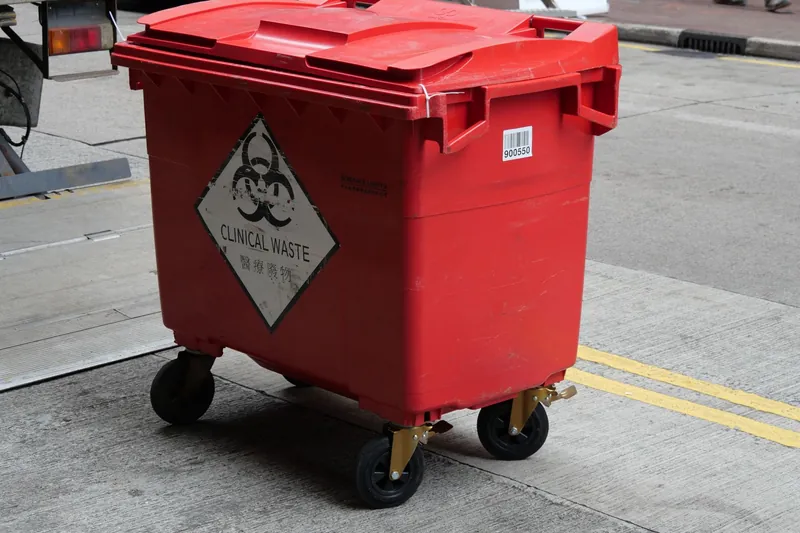
Connecticut calls it biomedical waste, and items dripping with body fluids count as infectious waste. The Department of Energy and Environmental Protection's rules control packing, transport and treatment, so it cannot go in household trash.
Connecticut has one statewide death investigation system run by the Office of the Chief Medical Examiner. Cleanup starts after police or the medical examiner release the scene.
A surface spill kept within one area can take part of a day to clean. If blood spreads into porous material or several rooms, cleanup may need one or more workdays, and any repair time is separate.
The full bloodborne pathogen cleanup guide covers what is cleaned or removed, odor and air quality work, and the rules that apply in your state.
Read the full bloodborne pathogen cleanup guideLocal housing, population and access details can shape containment, access and cleanup planning.
The relatively small 23.0% rental share does not change safety needs, but it can make property decisions more direct.
The local median build year is 1955, which makes controlled removal important when contamination reaches fragile or absorbent finishes.
There are 415 seniors living alone locally, so cleanup communication should be calm, clear, and accessible to distant family members.
Detached and single-family properties account for 74.7% locally, so exterior access and safe waste movement should be planned early.
Ask on the call about cleanup options for neighboring communities and ZIP codes.
Blood cleanup on carpet, hard floors, walls and furniture with safe disposal.
See blood cleanup
Large or small, every fresh or dried blood spill is covered by blood spill cleanup.
See blood spill cleanup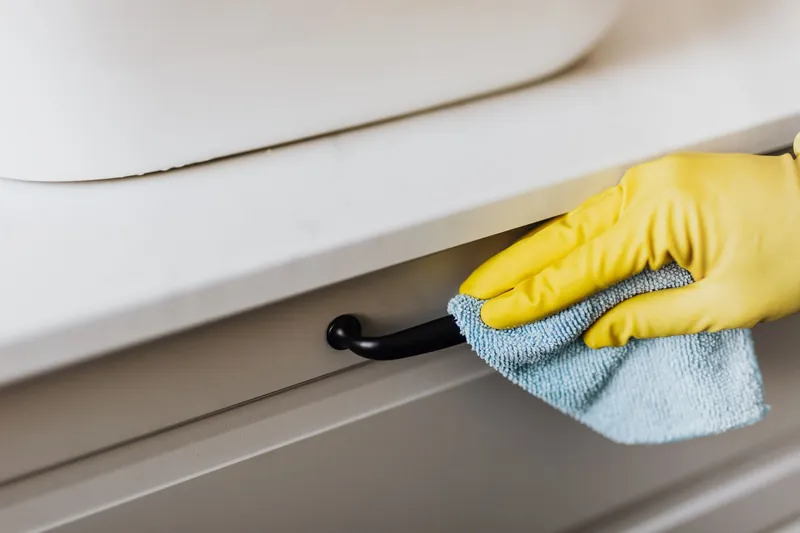
Bodily fluid cleanup removes fluids and disinfects affected areas in businesses, homes and care settings.
See bodily fluid cleanup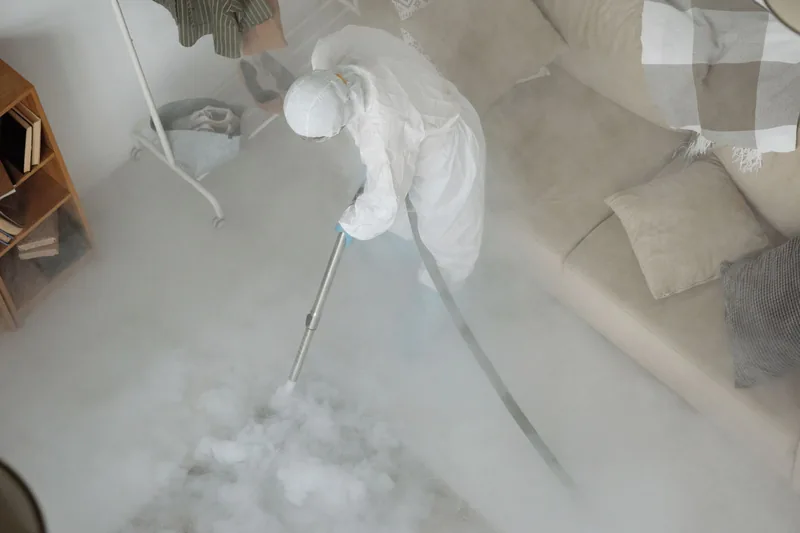
Full decontamination of rooms, surfaces and air after infectious or hazardous exposure.
See biohazard decontamination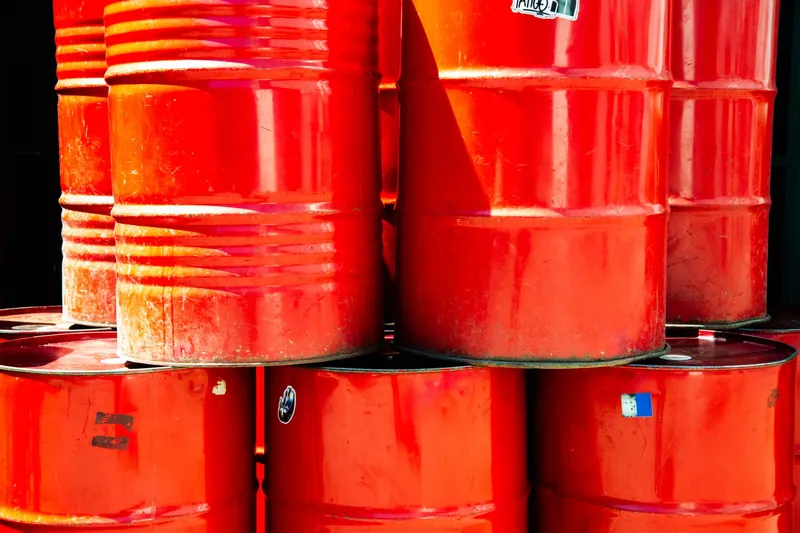
Sealed containers with labels hold biohazard waste during collection and disposal.
See biohazard waste disposal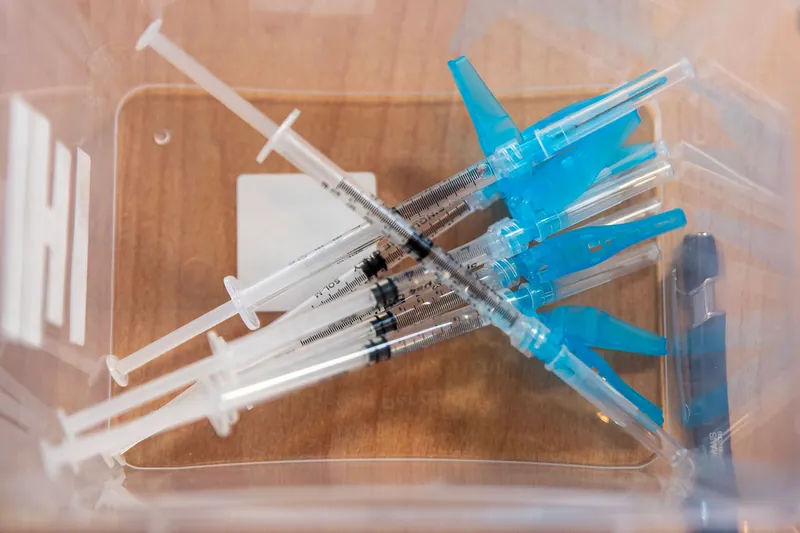
Cleanup removes sharps and needles from parks, rental sites, yards and encampments.
See needle and sharps cleanup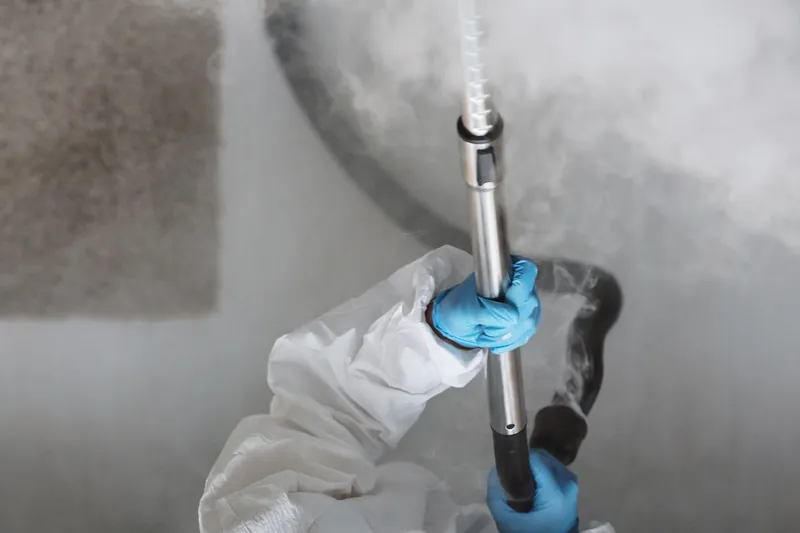
EPA-registered products are applied across all surfaces during infectious disease disinfection.
See infectious disease disinfection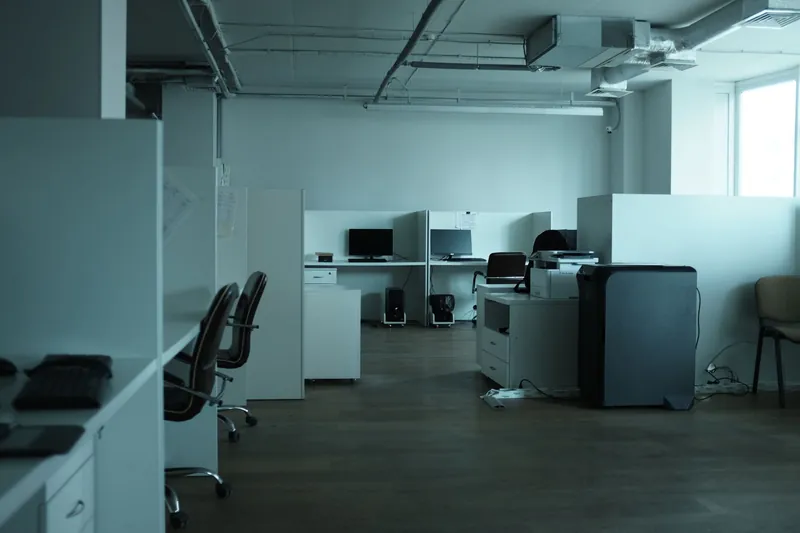
Office and workplace biohazard cleanup after injuries or exposures.
See office and workplace biohazard cleanupWhether coverage applies varies with your policy and what occurred. A renters or homeowners policy might include biohazard cleanup when it results from an abrupt loss covered by that policy. Describe the event to the insurance company and ask about blood or biohazard cleanup, then retain your claim number and request the adjuster's list of needed photos, inventories and waste records.
Yes. Treat dry blood as material that could still be infectious. The CDC says hepatitis B can survive on surfaces for at least seven days. Leave the stain untouched, and avoid vacuuming or sweeping anything that may spread affected particles through air or nearby areas.
Cleanup may finish within one workday when a minor spill affects only accessible solid surfaces. Blood inside upholstered items, carpet padding, walls or more than one room can extend the duration of a larger cleanup. Repair time for removed flooring, drywall or trim is separate from the cleaning and disinfection work.
Step back from the blood and follow the proper procedure for an exposure. If the event occurs at work, use the employer's exposure control process to report it. Get medical advice after a needlestick or any contact involving your eyes, mouth, nose or damaged skin. Cleaning the space is not a substitute for being medically evaluated.
The term describes controlled disinfection and cleaning of blood or particular body fluids with the potential to contain infectious microorganisms. Steps include controlling access, selecting protective equipment, taking out uncleanable matter, applying an EPA-registered disinfectant to reachable solid surfaces and containing waste as applicable rules require.
The disinfectant needs to be registered by the EPA for that surface and those organisms. Remove soil through cleaning before it can interfere with disinfection. After application, wetness must be maintained as long as the label directs. Follow every product label precisely because combining cleaning agents may release hazardous fumes.
Crews carry out respectful, discreet bloodborne pathogen cleanup, arrive in unmarked vehicles and take calls 24 hours a day.